The History Lover’s Guide to the Cotswolds: Romans, Royals, and the Wool Trade
 What are the best historical sites in the Cotswolds? The Cotswolds is rich in English history, featuring Roman ruins, medieval wool churches in Chipping Campden, and English Civil War battlegrounds in Stow-on-the-Wold. Guided small-group tours offer the most efficient, comfortable way to connect these historic landmarks in a single day without winter driving stress.
Beneath the picturesque Cotswold stone cottages lies a landscape shaped by ancient empires, wealthy medieval merchants, and bloody civil conflicts. For travelers who want to dive deep into England’s past, the region serves as a spectacular living museum filled with indoor heritage sites perfect for exploring during the colder months.
The Legacy of the Wool Merchants
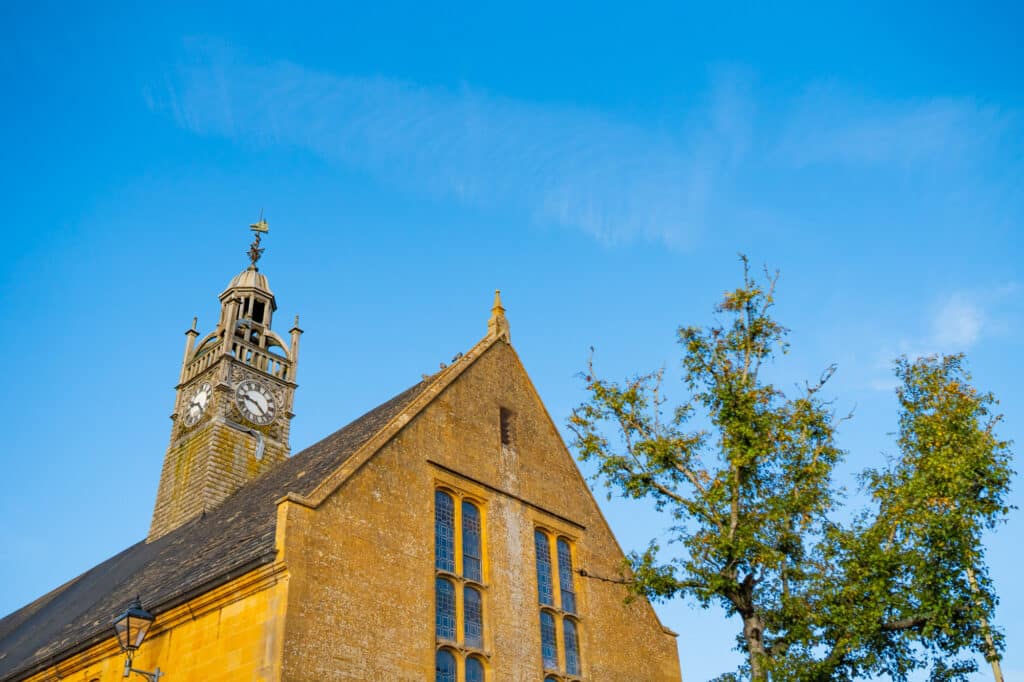
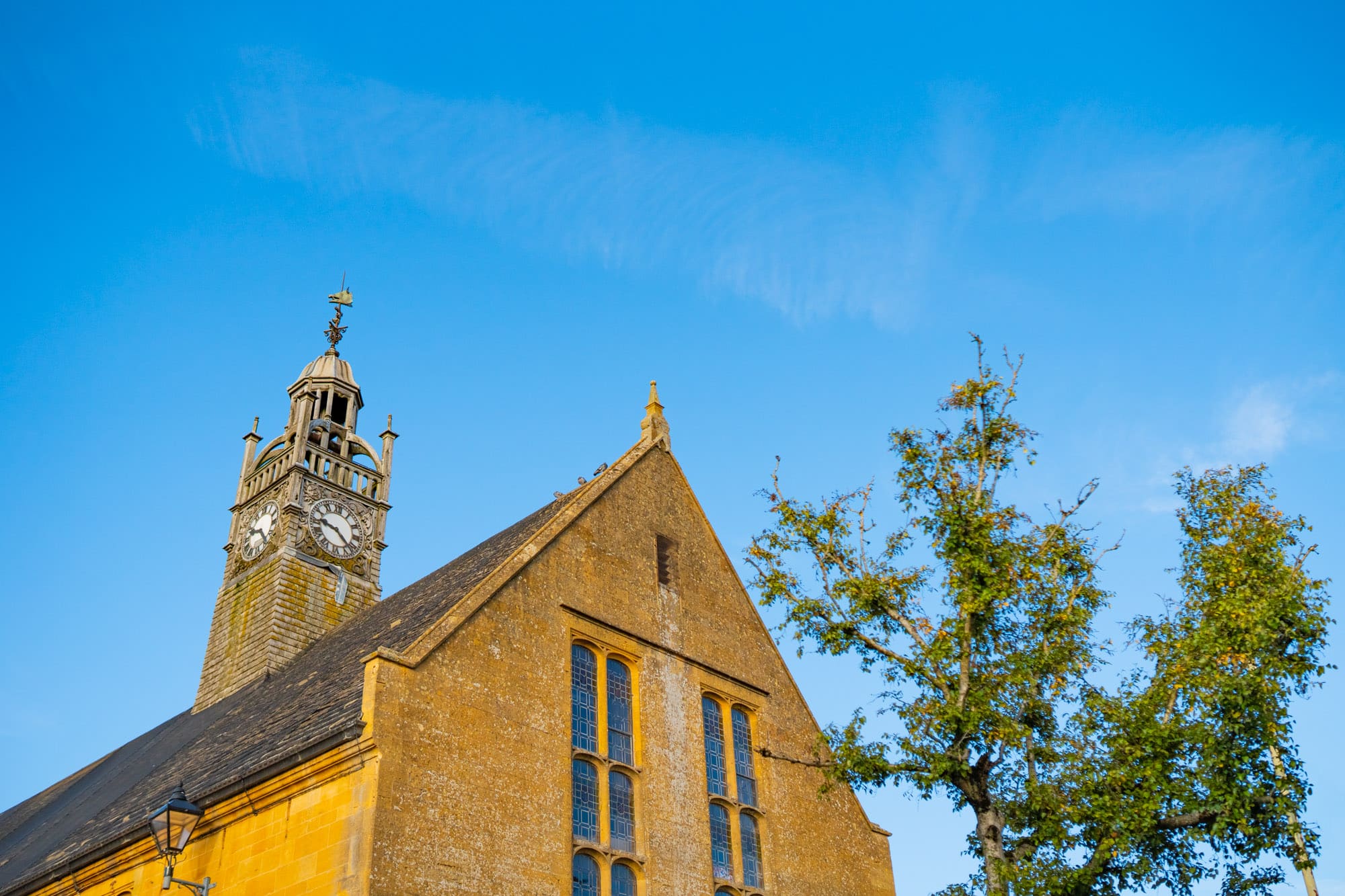
During the Middle Ages, the Cotswolds grew immensely wealthy through the European wool trade. This fortune funded the magnificent “wool churches” that dominate the landscape today. You can marvel at the architectural legacy of these merchants in Chipping Campden, or start your historical journey directly from one of the region’s premier historic wool market towns by joining our tours from Moreton-in-Marsh.
Civil War Battlegrounds and Royal Retreats
Stow-on-the-Wold may be famous today for the Tolkien-esque yew tree door at St Edward’s Church, but it was also the site of the final battle of the first English Civil War in 1646. A short drive away, history enthusiasts can explore the breathtaking Sudeley Castle, the resting place of Queen Katherine Parr, the last wife of King Henry VIII (note: interior castle exhibitions frequently operate on restricted winter hours from November to March).
Bringing History to Life
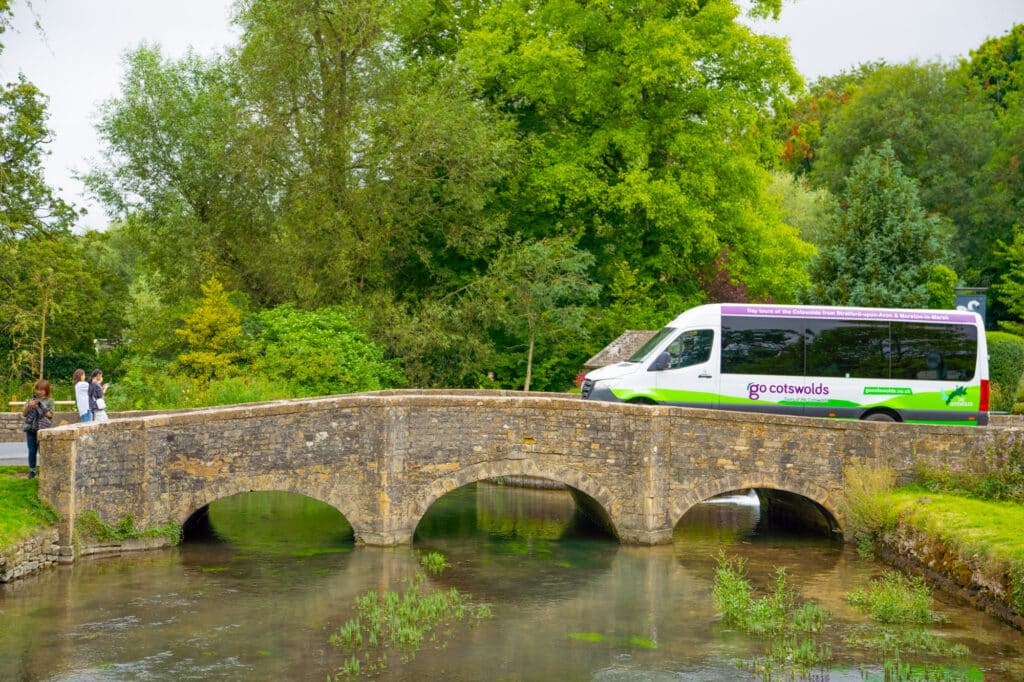
Reading a guidebook is one thing; having a local expert explain the hidden historical markers on a village green is entirely another. Our passionate driver-guides provide rich, entertaining historical context throughout every route, keeping you warm in our minibuses between stops. Book the Secret Cotswolds route to uncover ancient, untouched hamlets that commercial coaches simply cannot reach.